Eco Friendly Food Packaging
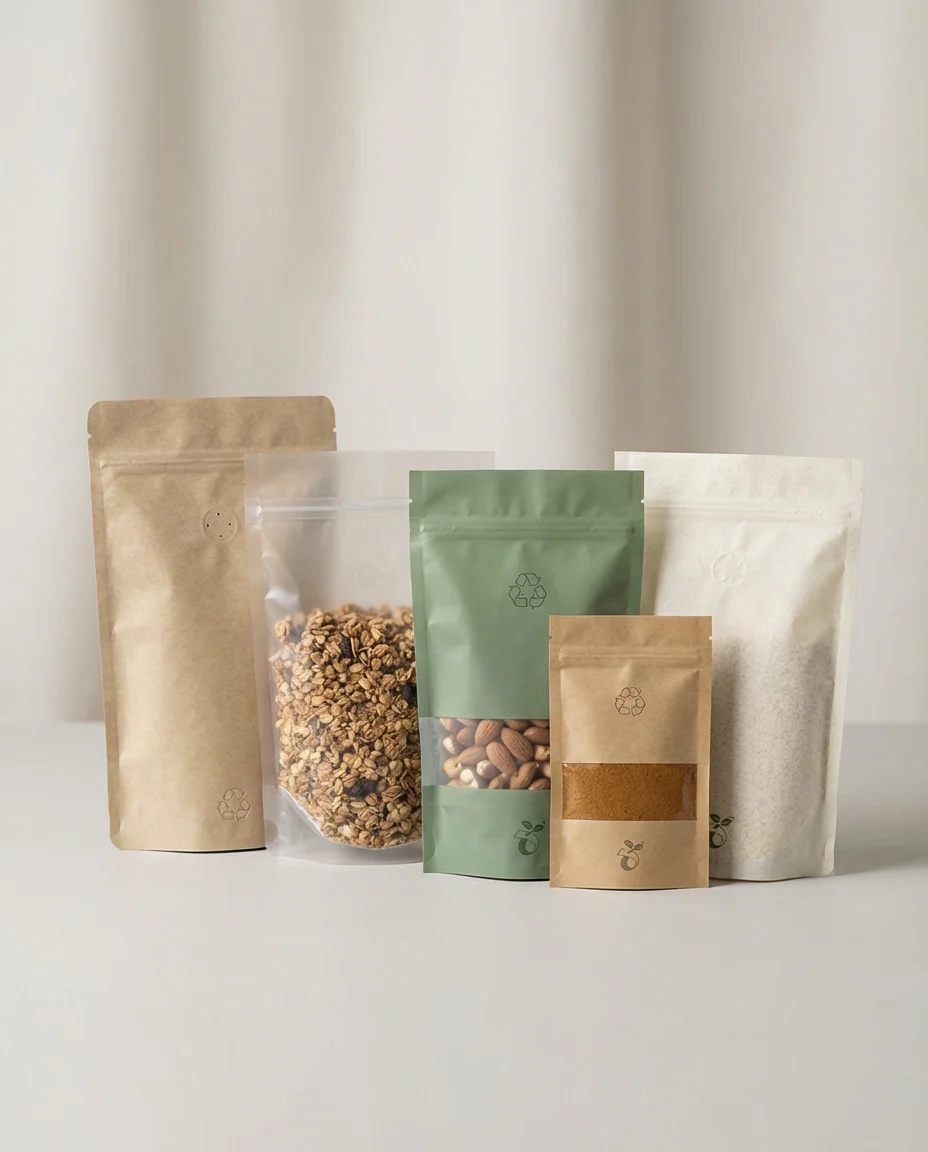
Recyclable and compostable flexible packaging for coffee, snacks, nuts, powders, spices, and dry foods. We help food brands choose a material path that works in real production, not just in a pitch deck.
Best Fit
Flexible food packaging projects that need real shelf-life and sourcing support.
Start Here
Compare material paths first, then narrow the bag format and print method.
Decision Framework
Choose The End-Of-Life Path Before You Choose The Bag
Before you compare bag styles or print finishes, decide what the pack actually has to do. The key judgment is which end-of-life claim, barrier level, and launch path your product can support without creating sourcing risk.
Start With Disposal Reality
Pick recyclable, compostable, or paper-hybrid structures based on the end market and waste stream, not on generic green claims.
Match Barrier To The Food
Coffee, spices, oily snacks, and powders fail for different reasons. Oxygen, moisture, aroma, grease, and light all change the right structure.
Keep Launch Friction Low
Use low-MOQ digital runs, samples, and packaging guidance before you scale into larger gravure orders or multi-SKU rollouts.
Material Paths
Three Practical Routes For Eco Friendly Food Packaging
Use these routes as a decision ladder, not a trend list. Most projects should start with recyclable mono-materials, move to compostable only when the disposal claim is non-negotiable, and choose paper-hybrid when shelf appearance matters more than the simplest end-of-life story.
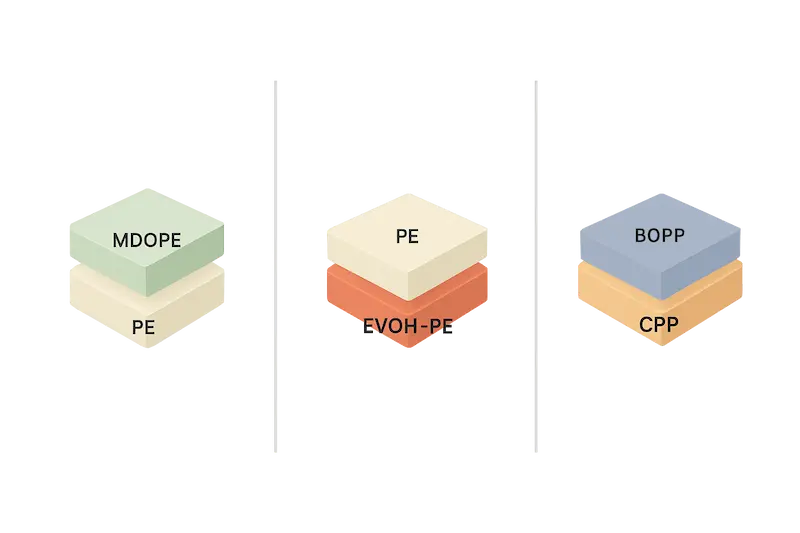
Recycle-Ready Mono PE / PP
Start here when you need the most practical route to lower-impact packaging without giving up strong seal performance, printability, or broad food-brand usability.
Best For
Coffee, dry foods, snacks, nuts, powders, and refill formats
Watch Out For
Needs market-specific recycling access and should be matched to the product barrier target.
Typical Structures
Compostable Laminates
Move here only when compostability is a defined brief requirement and the product line can work within the material and disposal constraints.
Best For
Organic snacks, bakery items, premium dry foods, and selected short-to-medium shelf-life SKUs
Watch Out For
Compostability is not universal disposal. The right structure depends on certification scope, barrier need, and local infrastructure.
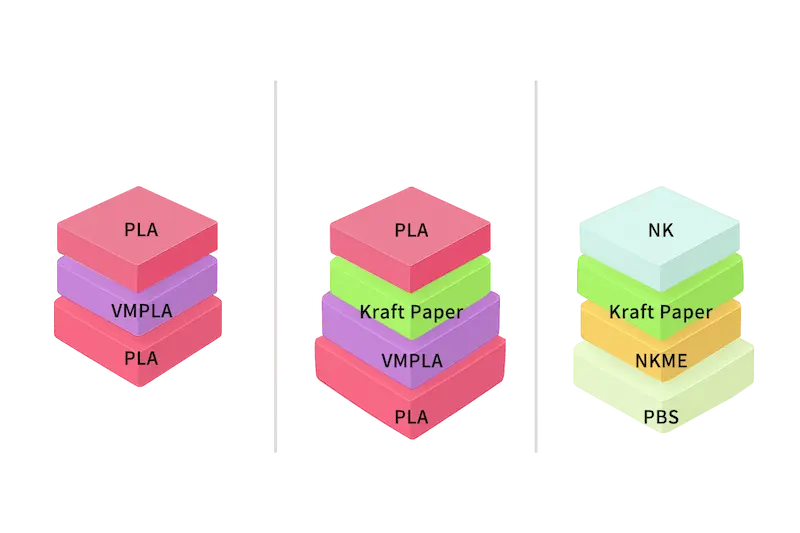
Typical Structures
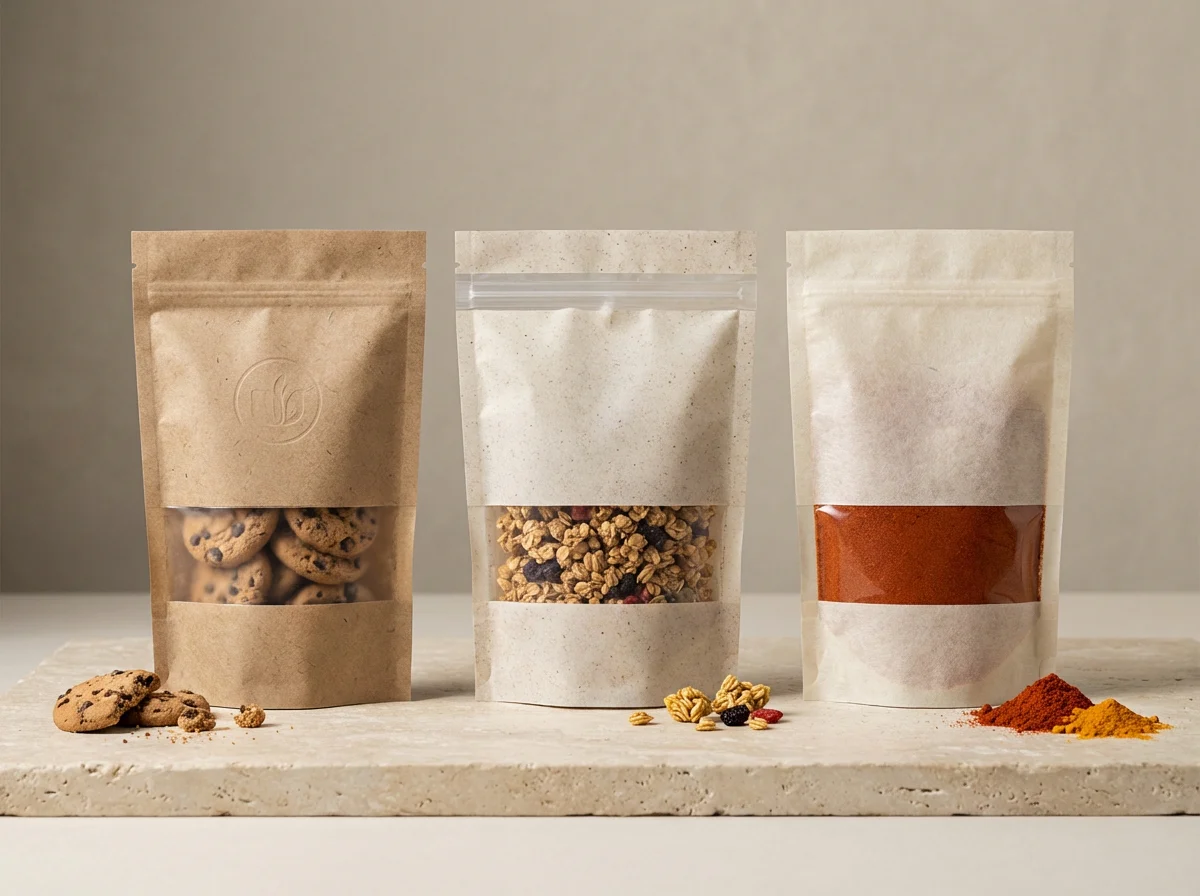
Paper-Hybrid Shelf Impact
Choose this when the brand needs a stronger natural-material shelf look while still keeping practical barrier support for dry food packaging.
Best For
Cookies, granola, spices, powdered food blends, and premium retail presentation
Watch Out For
Paper-look formats still need the inner sealing and barrier layers matched to the food, so this route is usually strongest for dry SKUs rather than high-risk freshness cases.
Typical Structures
Application Fit
Recommended By Food Category, Not By Generic Green Claims
Food products behave differently in the pack. These examples show where eco-friendly food packaging usually needs more barrier, more aroma retention, or more visual shelf impact.
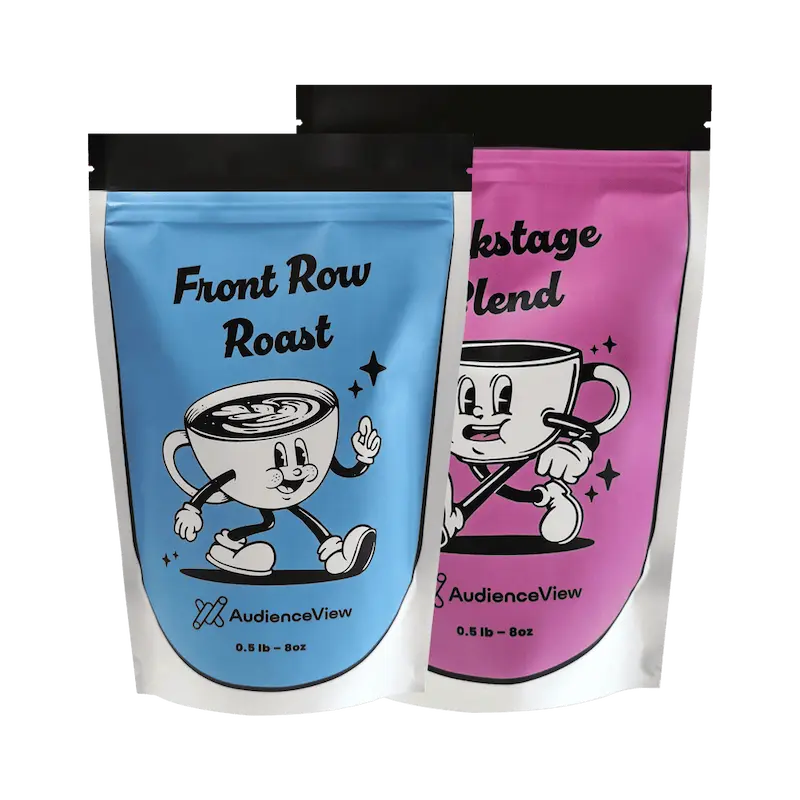
Coffee And Tea
Valve-ready, aroma-protective structures for roast, ground, and specialty beverage lines.
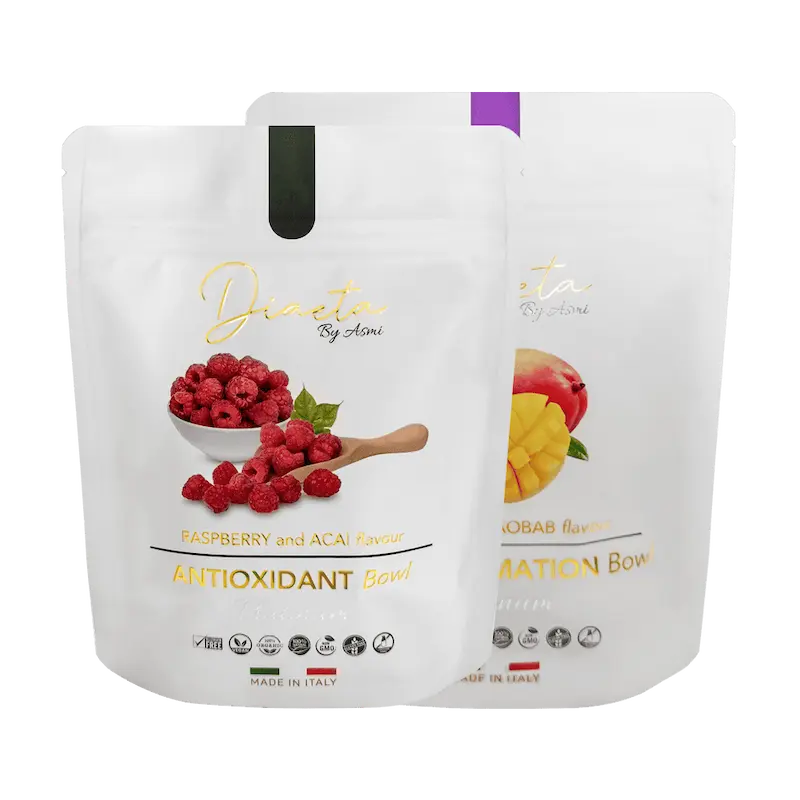
Snacks And Candy
Shelf-ready pouches built for vivid print, grease resistance, and repeat purchase appeal.
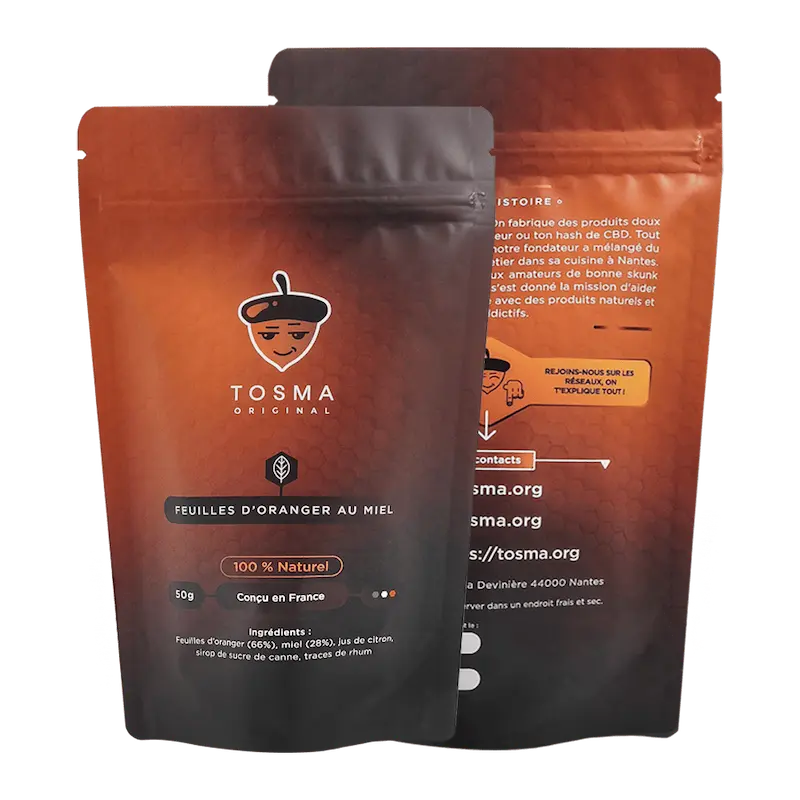
Nuts And Dried Fruit
Structures tuned for oil sensitivity, crunch retention, and stable zipper reclosure.
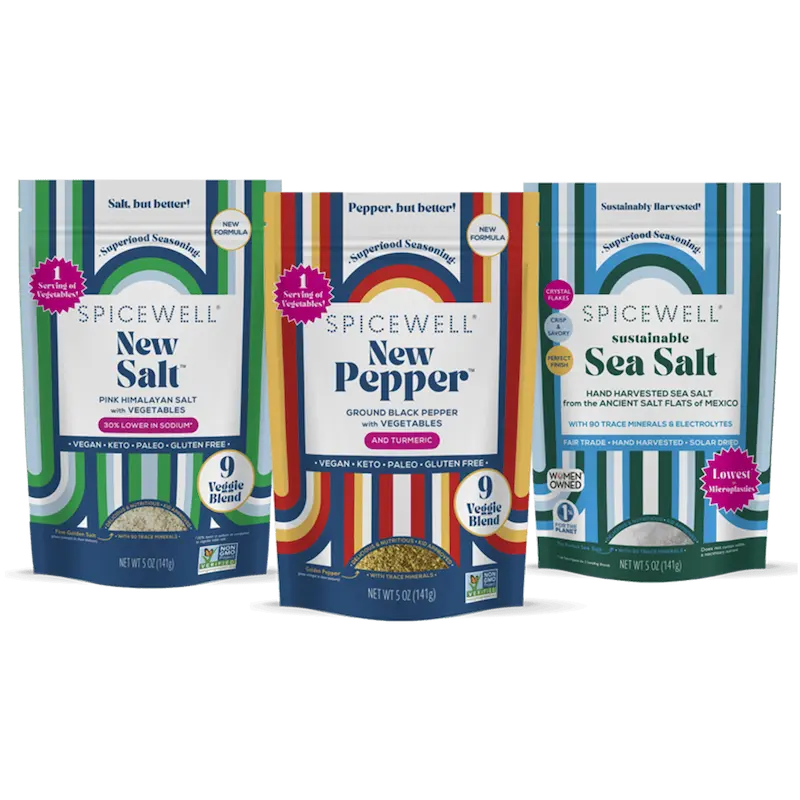
Spices And Herbs
Higher-barrier options that protect aroma, reduce caking, and support strong retail graphics.
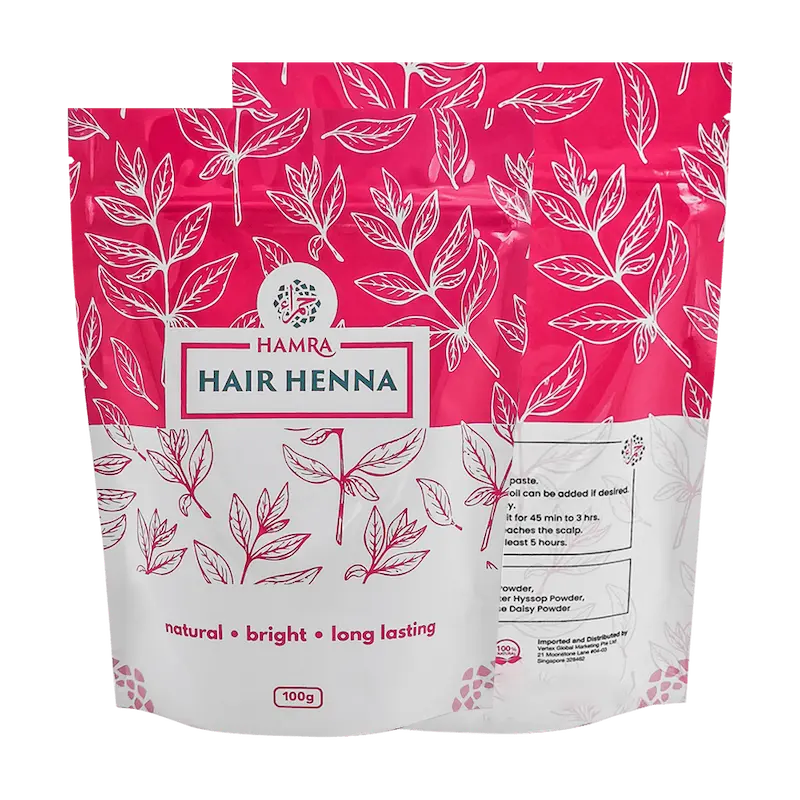
Powdered Food Mixes
From drink mixes to powdered ingredients, with fill-friendly seals and practical material guidance.
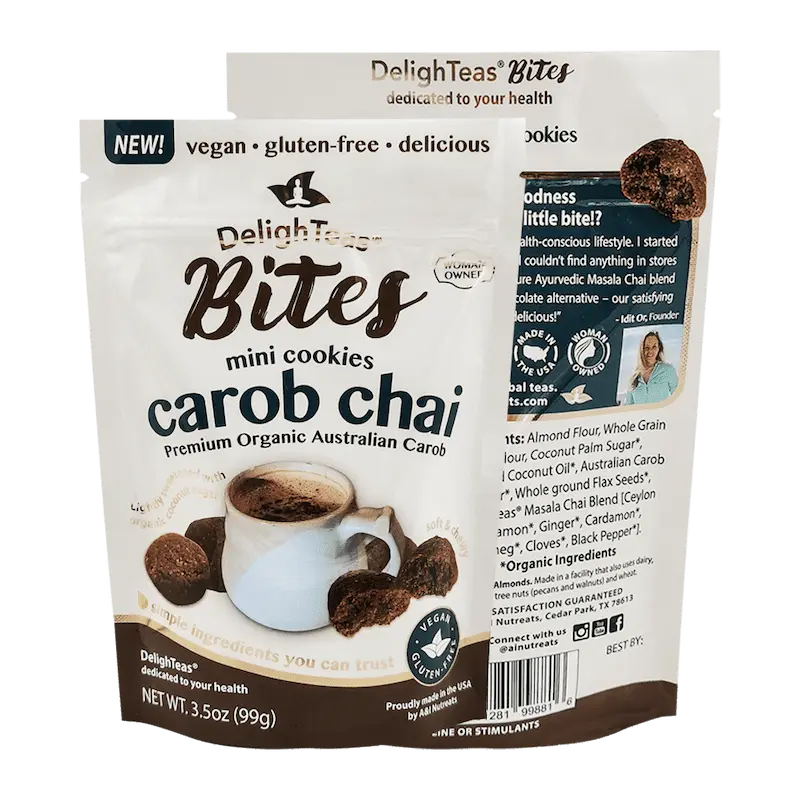
Bakery And Cookies
Paper-forward visual options for dry baked goods that still need real moisture control.
Format Guidance
Match The Material Path With The Right Pack Format
Once the material path is narrowed, the next decision is operational. Choose the format based on fill weight, shelf role, machine setup, and how much display impact the SKU really needs.
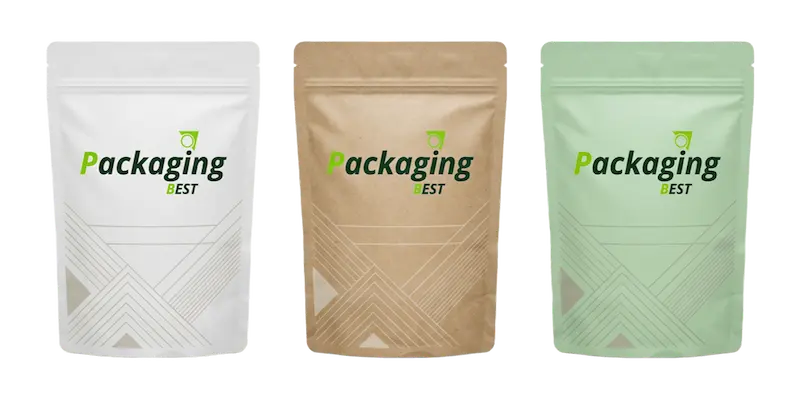
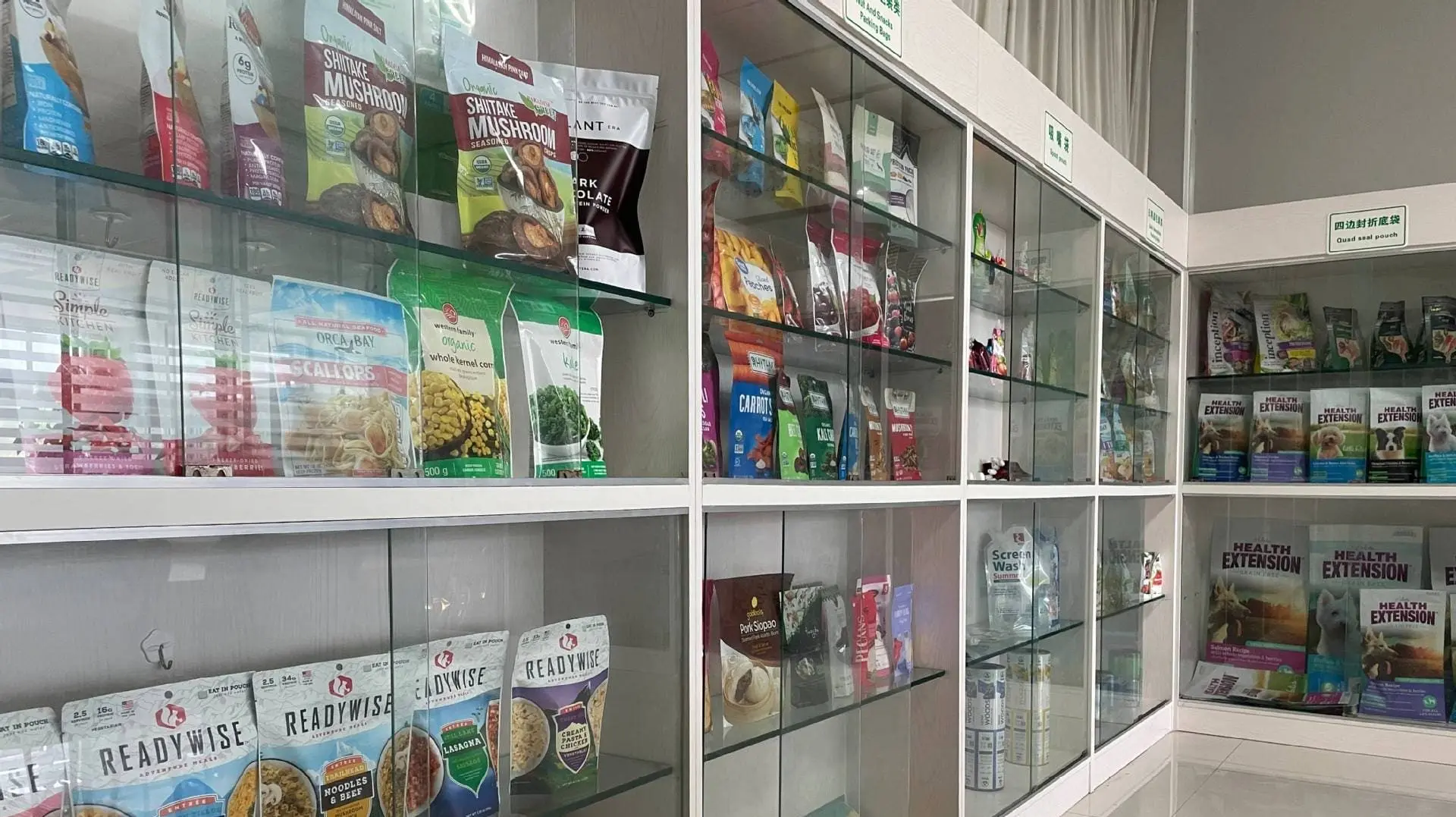
Stand-Up Pouches
Start here for most snack, powder, and coffee SKUs when you need the safest all-around retail format.
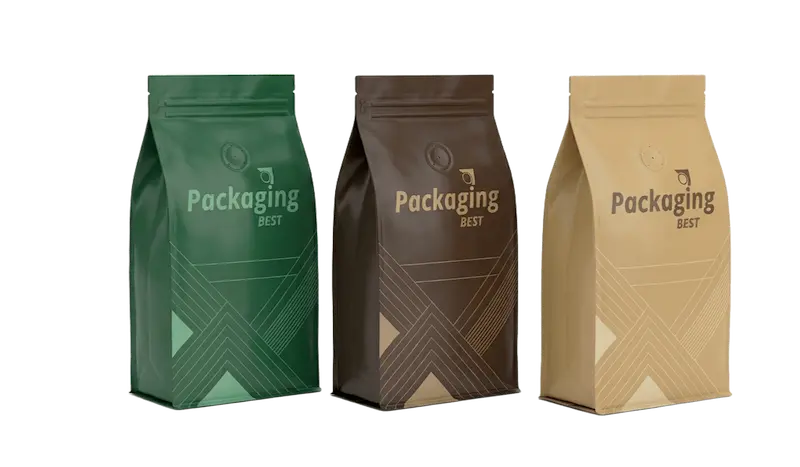
Flat Bottom Bags
Choose this when shelf presence, front-panel space, and heavier fills matter more than keeping the format simple.
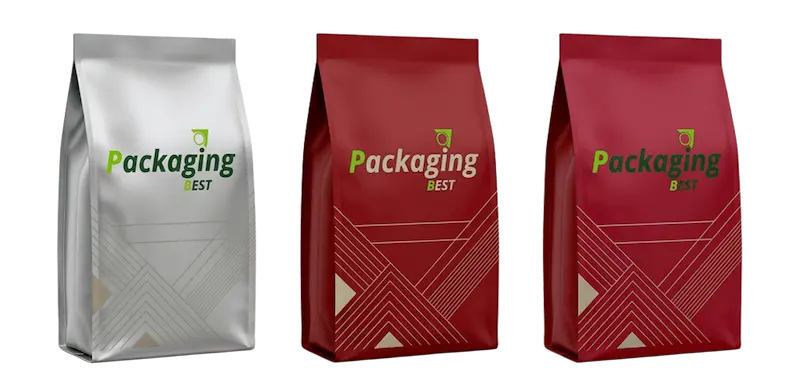
Side Gusset Bags
Best for coffee, grains, and bulk dry foods when pack efficiency and shipping density matter more than front-facing display.
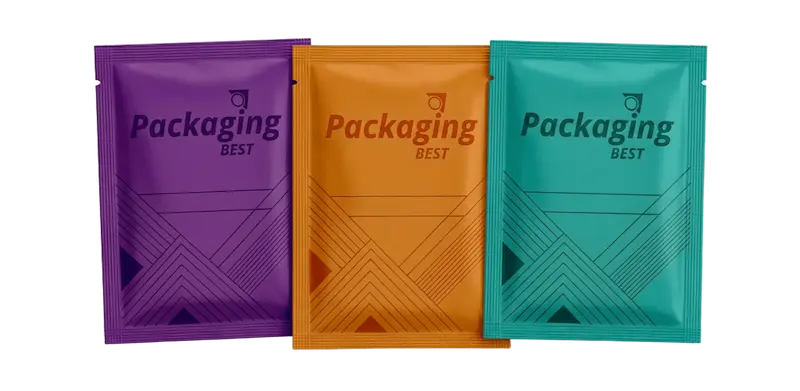
Sachets And Flat Pouches
Use these for samples, spice refills, single-serve powders, and compact trial SKUs where material efficiency matters.
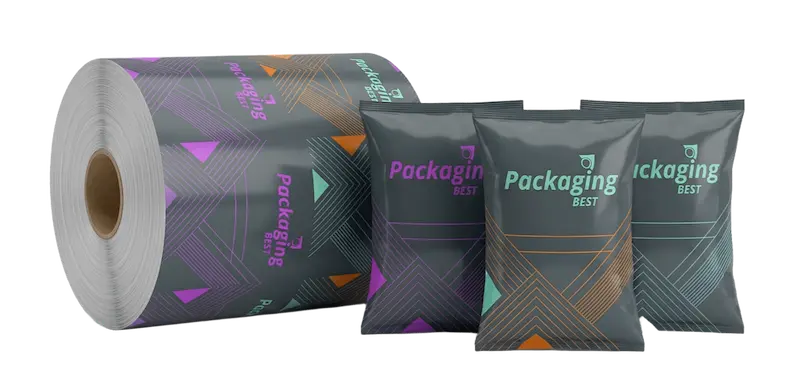
Rollstock Film
Choose rollstock when the line is already form-fill-seal and speed, consistency, and unit economics drive the decision.
Why PackagingBest
Make The Sustainability Decision Easier To Execute
PackagingBest helps food brands turn a sustainability idea into a packaging plan with clear structure guidance, production-ready formats, and quoting support that holds up in real execution.
Food-First Material Guidance
We recommend structures around shelf life, fill process, and market claims instead of pushing one default eco format everywhere.
Faster Commercial Validation
Start with low-MOQ digital runs, review samples, and then scale to larger production once the SKU is proven.
Manufacturer-Level Execution
Printing, converting, and export support stay aligned from quotation through shipment, which reduces project drift.
Procurement Support That Lowers Friction
Clear timelines, specification review, and repeat-order continuity help food brands move without overbuying.
1,000+
MOQ starting point for digital food packaging projects
15-22
Typical production days after artwork approval
70+
Countries served with food and consumer packaging exports
Related Hub
Need the broader sustainability overview first? Start with our Eco-Friendly Packaging hub, then use this page to narrow the food-packaging route.
Proof And Trust
Food Brands Need More Than A Green Claim
These references show the manufacturing base, brand support, and export coordination behind PackagingBest food-packaging projects, from first samples through repeat production.
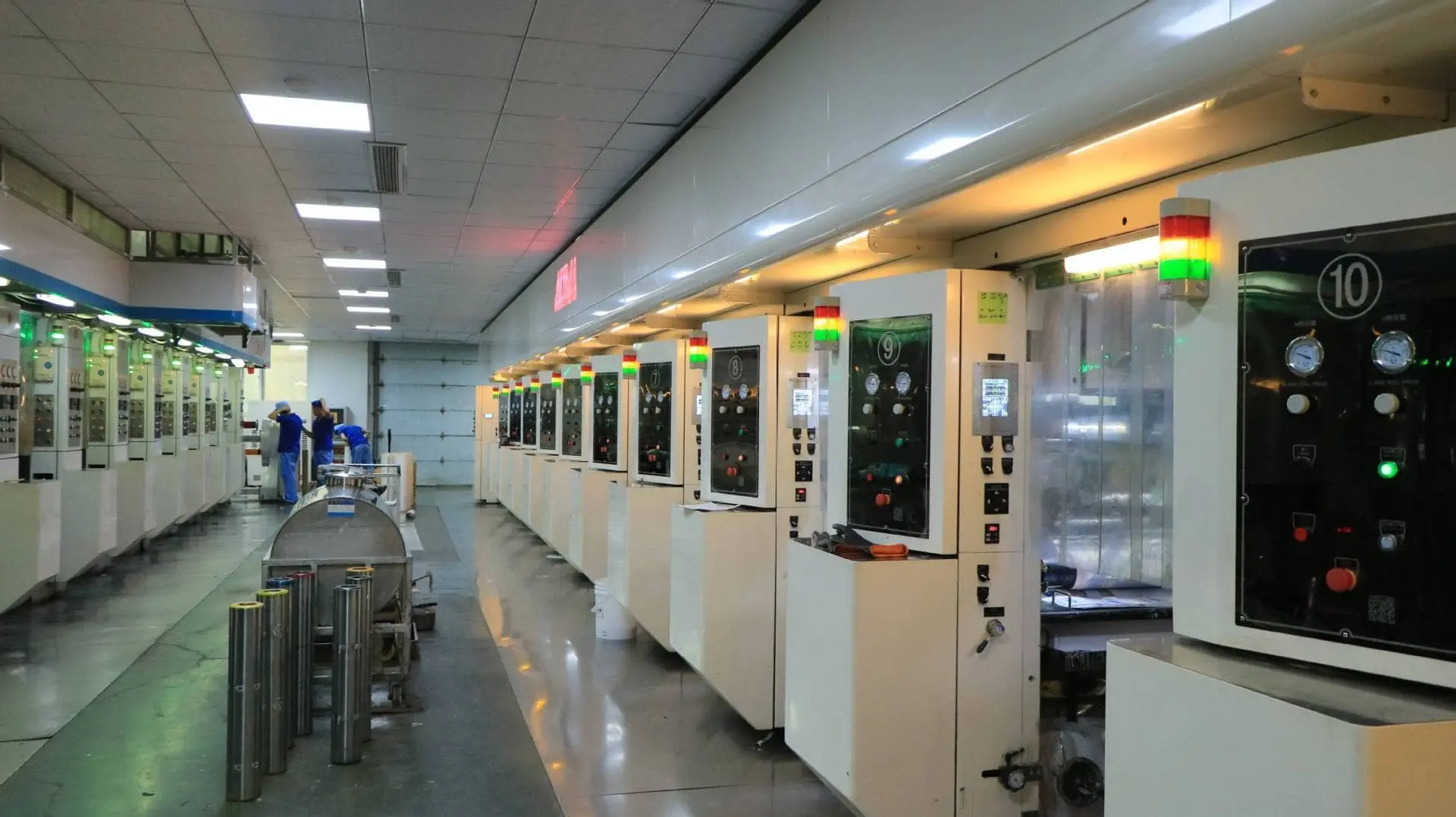
BRCGS-oriented food packaging manufacturing workflows
Digital and gravure paths for launch-stage and scale-stage SKUs
Specification review for structure, format, and production fit



Food-Safe Materials
Material selection aligned to food-contact and shelf-life needs.
Artwork And Proofing
Quote, spec review, and proofing support before production starts.
Export Support
Production and shipment planning for brands shipping across multiple markets.
FAQ
Questions Buyers Ask Before Moving Into Eco Friendly Food Packaging
These are the questions most likely to affect supplier selection, material fit, and launch timing.
Ready to Start?
Talk With PackagingBest About Your Food Packaging Project
Share your product, target market, and packaging goals. We'll help you compare material paths, recommend the right format, and move the project into quoting.
Get a Quick Quote