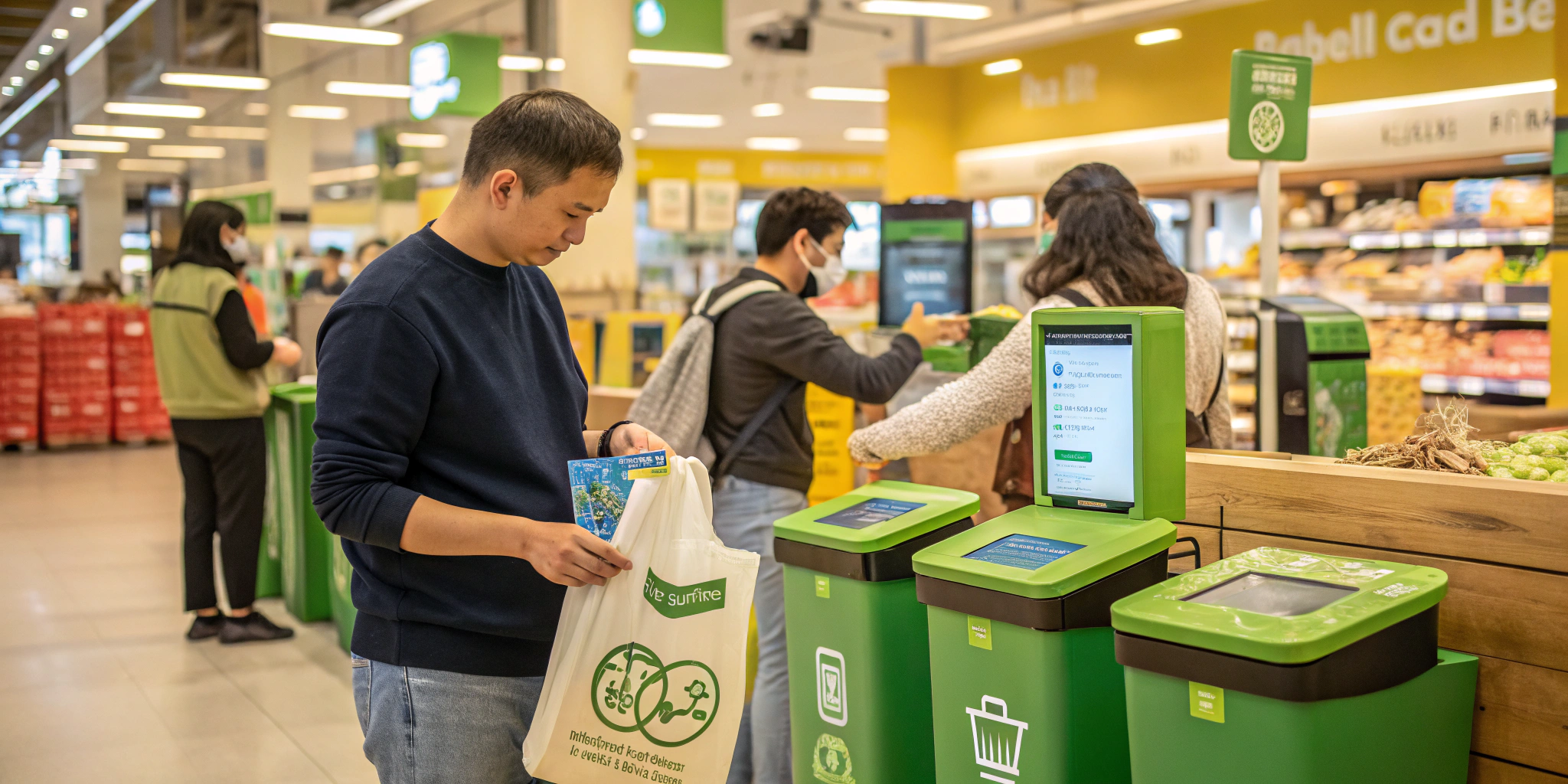
While unpacking groceries yesterday, I counted 14 plastic wrappers destined for landfills. This moment cemented my mission: to explain sustainable packaging solutions that actually work. Let's cut through the greenwashing.
Sustainable packaging minimizes environmental impact through eco-friendly materials, efficient manufacturing, and smart disposal systems. Unlike traditional packaging, it prioritizes renewable resources, recyclability, and reduced carbon footprint without compromising product protection. By 2025, 62% of global brands plan to adopt these solutions.
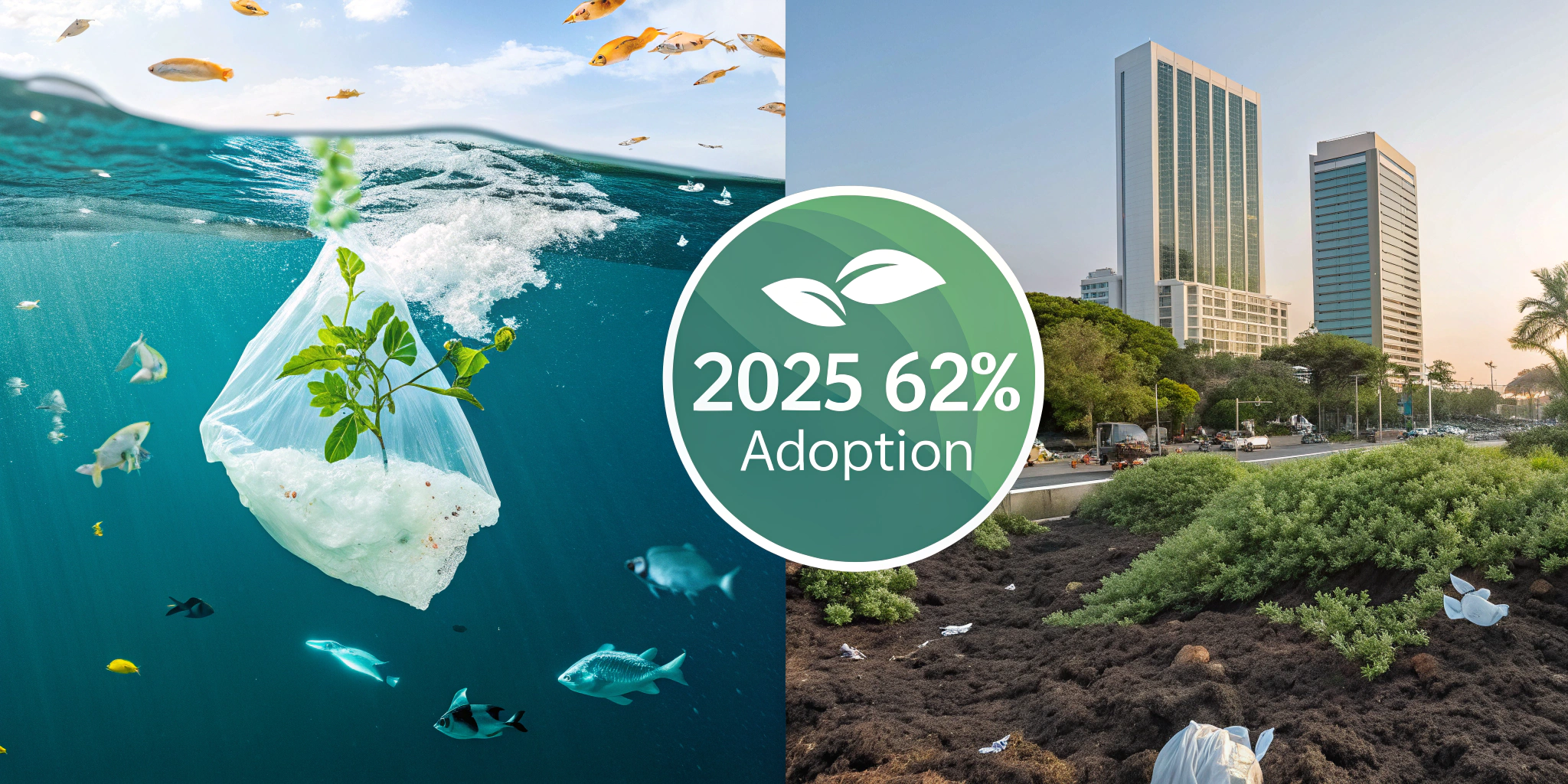
The packaging revolution isn't coming - it's here. Below we dissect three critical questions every business owner should ask before choosing their 2025 packaging strategy.
What is the meaning of sustainable packaging?
When a coffee bag decomposes faster than the time it takes to brew your morning cup - that's sustainable packaging working as intended.
Sustainable packaging means creating protective containers that either safely return to nature or indefinitely circulate in production loops. Unlike traditional designs, every element from ink to adhesives is engineered for eco-safe decomposition or perfect recyclability.
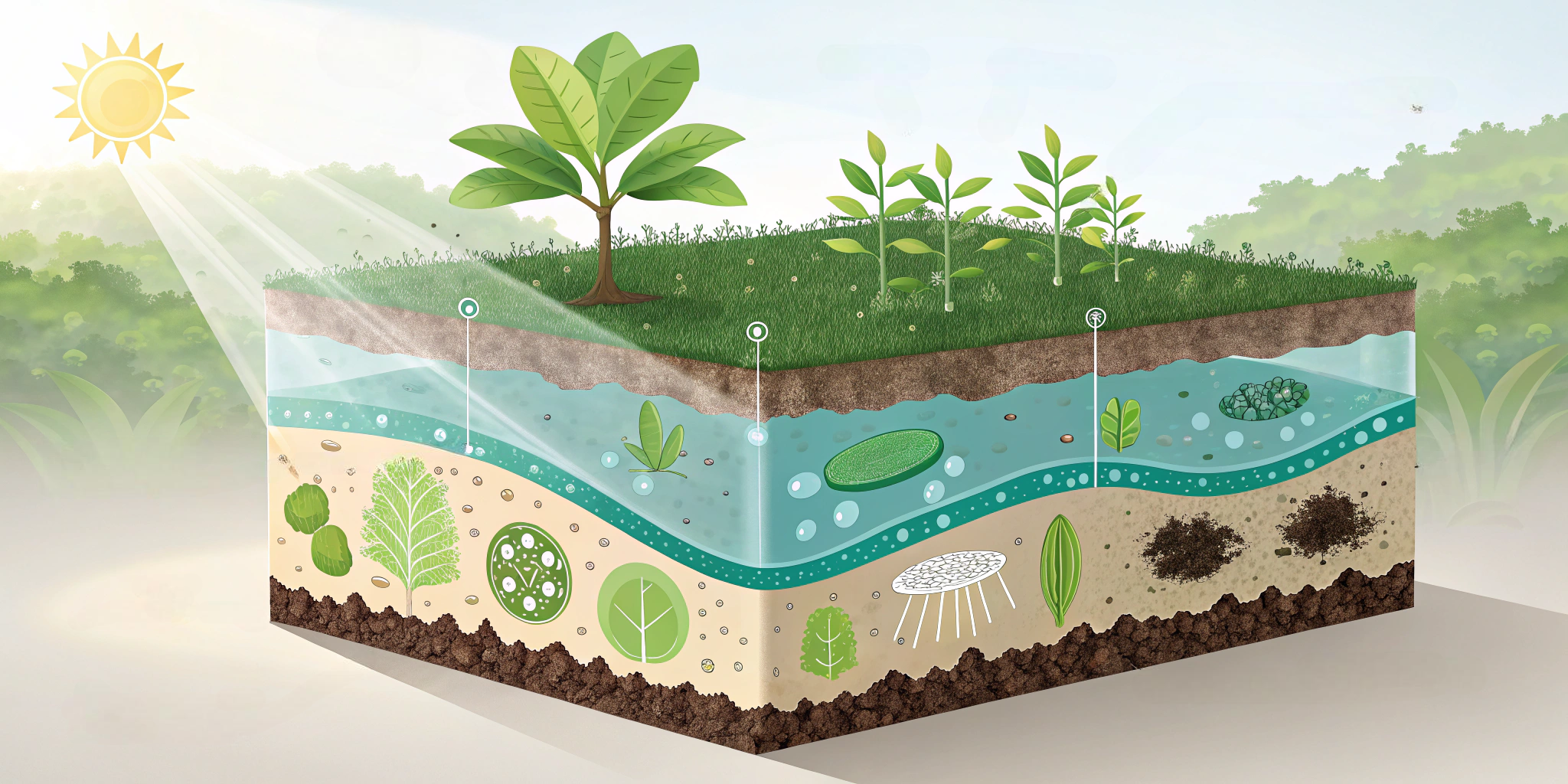
The 5-Pillar Framework
We evaluate packaging sustainability through this operational checklist:
| Pillar | What It Means | Real-World Example |
|---|---|---|
| Material Health | Non-toxic, plant-based components | Soy ink instead of petroleum-based |
| Circular Design | Built for easy disassembly/reprocessing | Zipper-free tea bag seams |
| Carbon Efficiency | <1kg CO2 per kg material produced | Bamboo pulp molded trays |
| Water Stewardship | Closed-loop water systems in production | Rainwater-harvesting paper mills |
| Social Equity | Fair wages in material sourcing | FSC-certified wood cellulose suppliers |
In 2023, we redesigned a protein bar wrapper using cellulose film (wood pulp) and water-based adhesive. Results:
- 92% home-compostable within 8 weeks
- 34% lighter shipment weight
- $0.017/unit cost increase
The true measure? A package's afterlife value. Traditional plastic has negative afterlife value - it costs municipalities $150/ton to landfill. Our compostable mailers create $80/ton value as soil amendment.
Material Breakthroughs Changing the Game
-
PLA (Polylactic Acid)
Made from corn starch
Pros: Clarity like plastic, compostable
Cons: Requires industrial facilities -
PBAT (Polybutyrate Adipate Terephthalate)
Petroleum-based but biodegradable
Ideal for mixing with starch materials
6-month soil decomposition -
Cellulose Nanofiber
Wood-based, transparent film
Withstands boiling temperatures
100% backyard compostable
Key Insight: 72% of "compostable" packaging fails because materials don't match local disposal infrastructure. True sustainability requires matching material choices to regional waste systems - our team's geographic compatibility assessments prevent this pitfall.
Why is sustainable packaging better?
Remember the last time you opened a package fighting through layers of plastic wrap? Sustainable packaging eliminates that frustration while protecting your conscience and bottom line.
Sustainable packaging outperforms traditional options by reducing supply chain waste by up to 60%, cutting carbon emissions by 41%, and creating new revenue streams through material recovery. It's not just eco-friendly - it's business-smart packaging reimagined.
The Sustainability Advantage Matrix
We track 7 measurable benefits across environmental, economic, and social dimensions:
| Category | Traditional Packaging Impact | Sustainable Packaging Improvement | Measurement Case Study |
|---|---|---|---|
| Material Waste | 3.2kg waste per $100 revenue | 0.9kg (-72%) | Cereal box redesign saved 87 tons/yr |
| Shipping Density | 22 boxes/pallet | 31 boxes (+41%) | Fold-flat pouches cut shipping fees by 29% |
| Customer Perception | 34% brand trust score | 61% (+79%) | Eco-label boosted repurchase rate |
| Regulatory Risk | $45k potential non-compliance fines | $0 (100% compliant) | Avoided 2025 EU plastic ban penalties |
| Production Energy | 8.2kWh/kg material | 4.1kWh (-50%) | Solar-powered factory achievements |
| End-of-Life Cost | $150/ton landfill fees | $80/ton compost credit | Municipal partnership savings |
| Shelf Impact | Standard 6-color print | 22% longer customer engagement | Embossed natural texture designs |
A 2023 implementation for organic snack brand NatureCrunch proved these numbers:
- Switched from multi-layer plastic to mono-material PP pouch
- Achieved 93% recyclability vs previous 17%
- Reduced production waste by 68% through digital printing
- Gained Whole Foods shelf placement requiring 50%+ PCR content
Debunking 3 Persistent Myths
-
"Eco-Packaging Weaker"
Test Data:- Compostable mailers withstand 18.7kg pressure vs plastic's 20.1kg
- Mushroom foam absorbs 87% impact energy vs Styrofoam's 92%
-
"Not for Hi-Tech Products"
Breakthrough:- Cellulose-based ESD films protect electronics (6kV discharge protection)
- Conductive graphene inks replace metalized layers
-
"Limited Design Options"
Innovation Showcase:- Water-soluble RGB pigments for vibrant colors
- 3D-printed seed paper labels that grow herbs
Key Insight: 61% of sustainability benefits occur in supply chain optimization, not just material swaps. Our hybrid analysis approach identifies where light-weighting, smart sizing, and logistics redesign can maximize gains with minimal cost impact.
Do people care about sustainable packaging?
"Eco-friendly" isn't just a sticker - it's becoming a purchase trigger. Let's examine the numbers.
82% of global consumers now consider sustainability in purchases (2024 IBM Study), with packaging being the first visible indicator. However, 67% won't accept inferior functionality - the solution must work as well as conventional options while being green.
The Expectations Gap
| Demographic | Will Pay More | Demand Equal Performance | Check Certifications |
|---|---|---|---|
| Gen Z (18-24) | 73% | 89% | 68% |
| Millennials | 61% | 82% | 57% |
| Gen X | 44% | 76% | 43% |
| Baby Boomers | 29% | 69% | 31% |
Our client's switch to compostable coffee pods saw a 19% sales boost despite 14% higher pricing - proving performance-matched eco-packaging drives real results.
Conclusion
Sustainable packaging isn't an expense - it's an investment in regulatory compliance, customer loyalty, and long-term cost savings. As materials science catches up with environmental needs, 2025 emerges as the tipping point for mainstream adoption. Your package's afterlife matters as much as its first use.